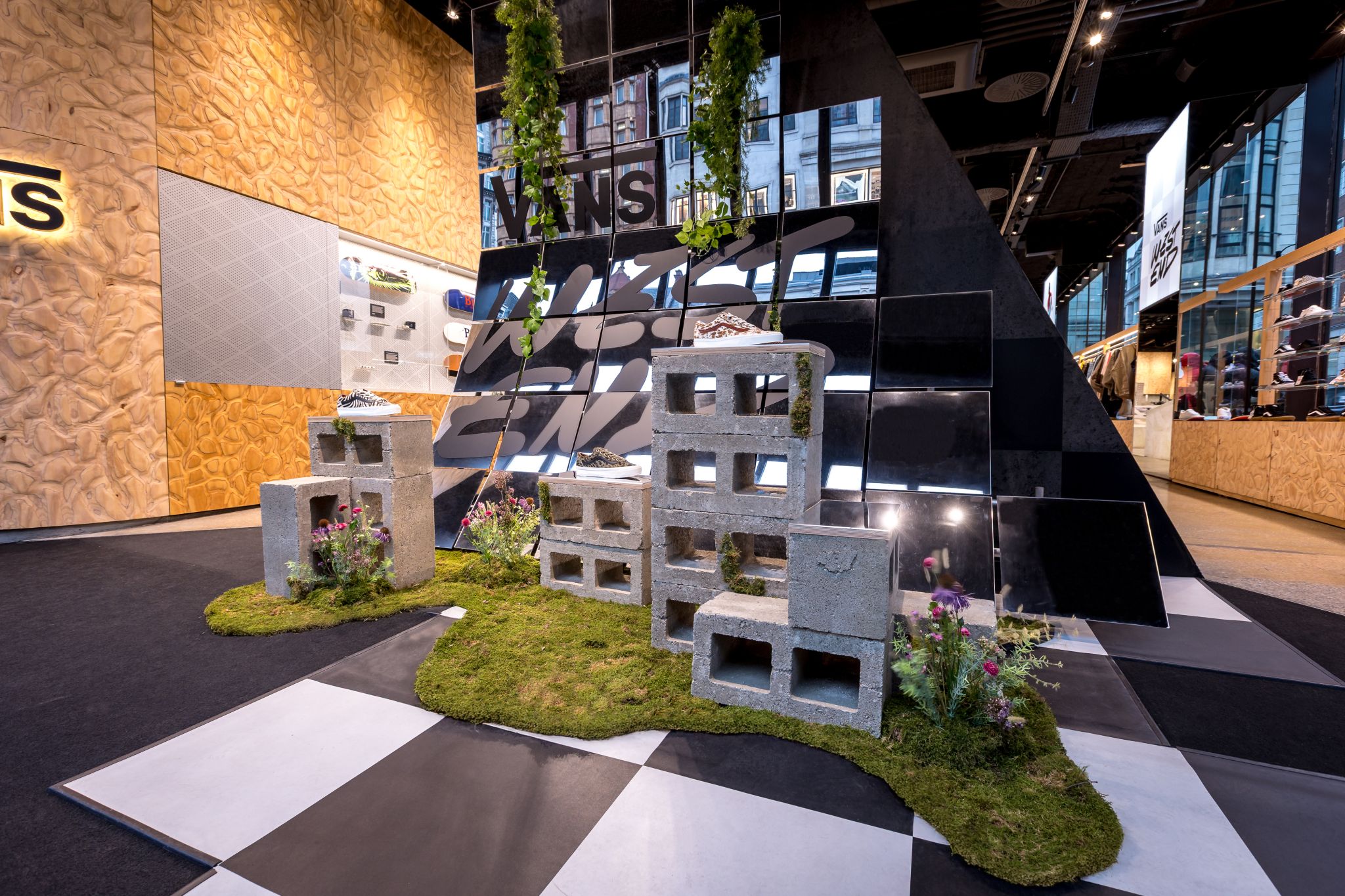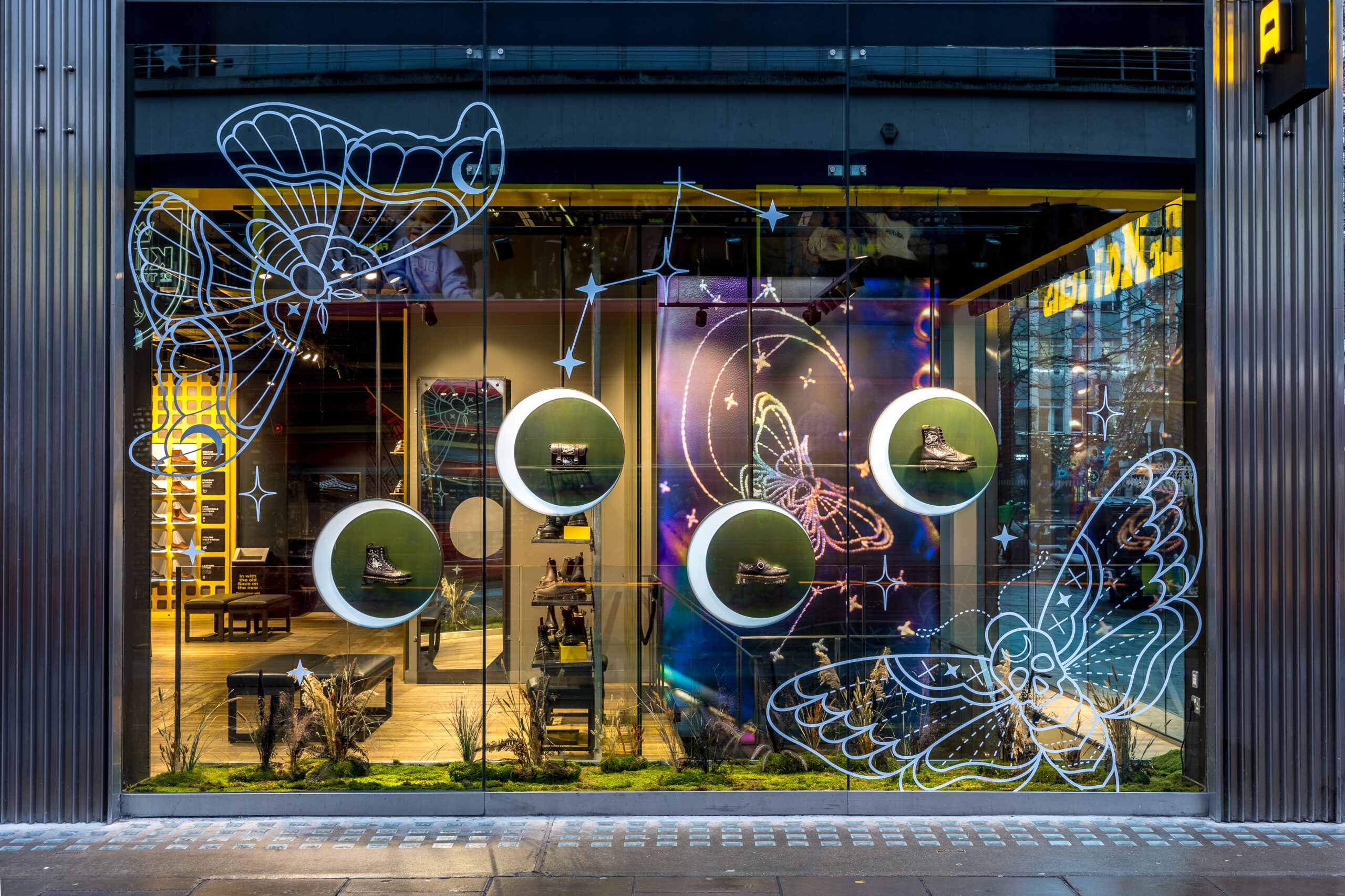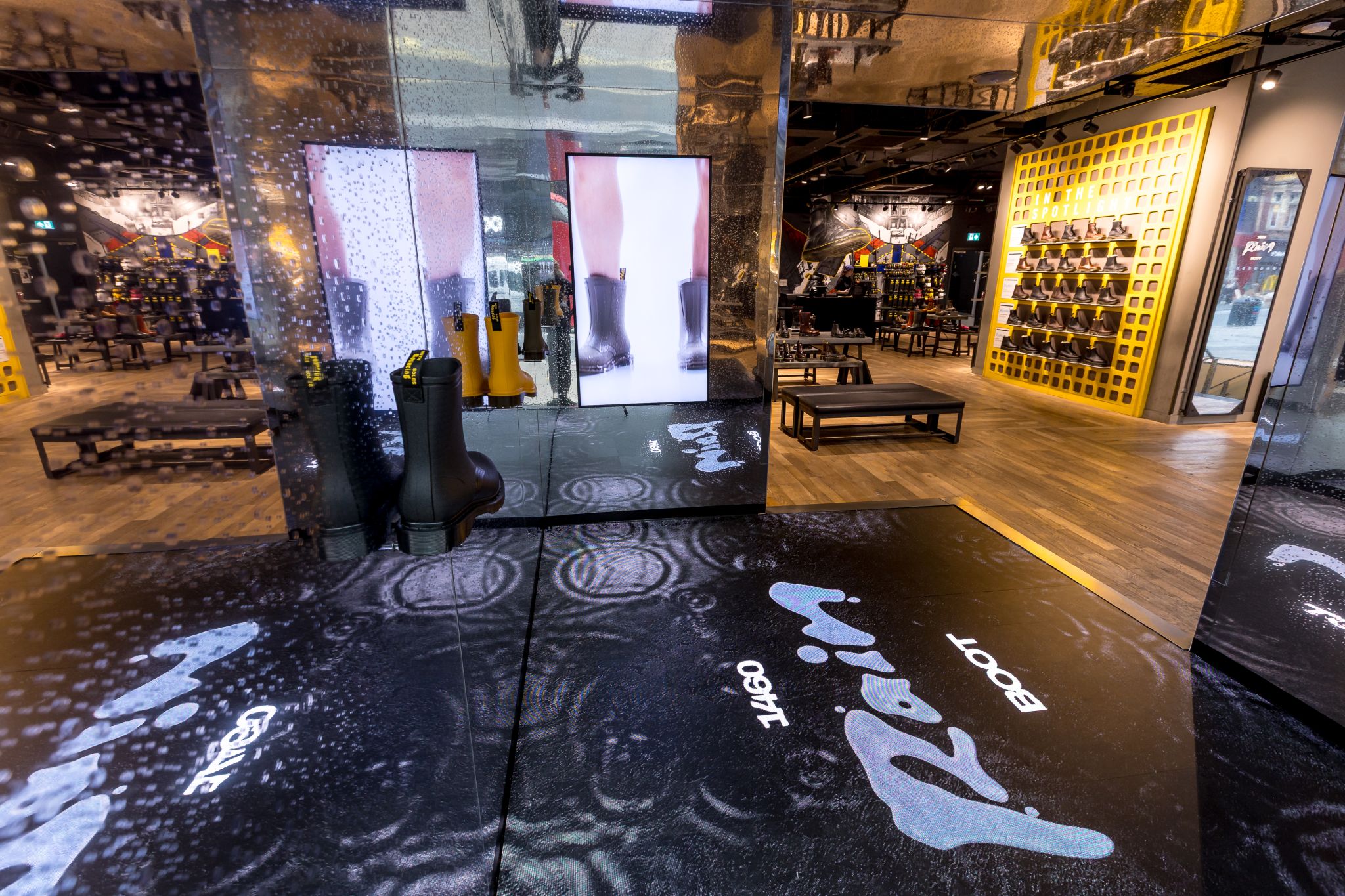
The floor is one of the largest surfaces in any retail, exhibition, or event environment, yet it’s often one of the last places considered when planning how a space looks and works. It might be underfoot, but that doesn’t mean it should be overlooked.
When used well, floor graphics can do more than add another branded touchpoint. They can guide people through a space, draw attention to a product or campaign, reinforce a wider visual identity and even become a part of the experience itself.
But getting them right takes more than choosing a striking design. Where the graphic will be used, how it will perform and how it fits into the wider environment all need to be considered from the start.
Floor graphics are printed graphics specifically produced for application to a floor surface. Unlike conventional signage or wall graphics, they’re designed to communicate within the space where people are walking, making the floor itself part of the visual environment.
They can be created in different sizes, shapes and finishes to suit the application, from a simple branded graphic to more detailed photographic imagery. This flexibility means they’re not limited to a standard format. The design can be developed around the available space, the wider visual identity and how the graphic needs to work alongside other elements within the environment.
Floor graphics can serve very different purposes depending on the space. In retail environments, for example, they can pick up a campaign from a POS display and carry it into the customer journey, draw attention to a particular product or help people find their way around a store. They can also be used for instructional messaging or as part of a more interactive retail experience.
At exhibitions and events, there’s an opportunity to think beyond the stand itself. Floor graphics can extend a visual identity into the surrounding space, reinforce key areas or help visitors navigate the venue.
Sometimes, it pays to look at things from a different angle. For an Antalis robotic exhibition stand, we produced photographic-quality moon graphics on textured floor vinyl, turning the flooring into a key element of the stand design rather than simply another surface for branding. The project used a fire- and slip-rated self-adhesive floor vinyl chosen to meet the demands of the exhibition environment.
The same principle applies to brand activations, where the floor is considered alongside wider elements to create a cohesive experience. For the Adidas x JAY3LLE activation, we brought together wide-format graphics, 3D builds and interactive elements to create a complete physical brand experience. Floor graphics can play a similar role, helping connect different touchpoints and carry the creative across the space.
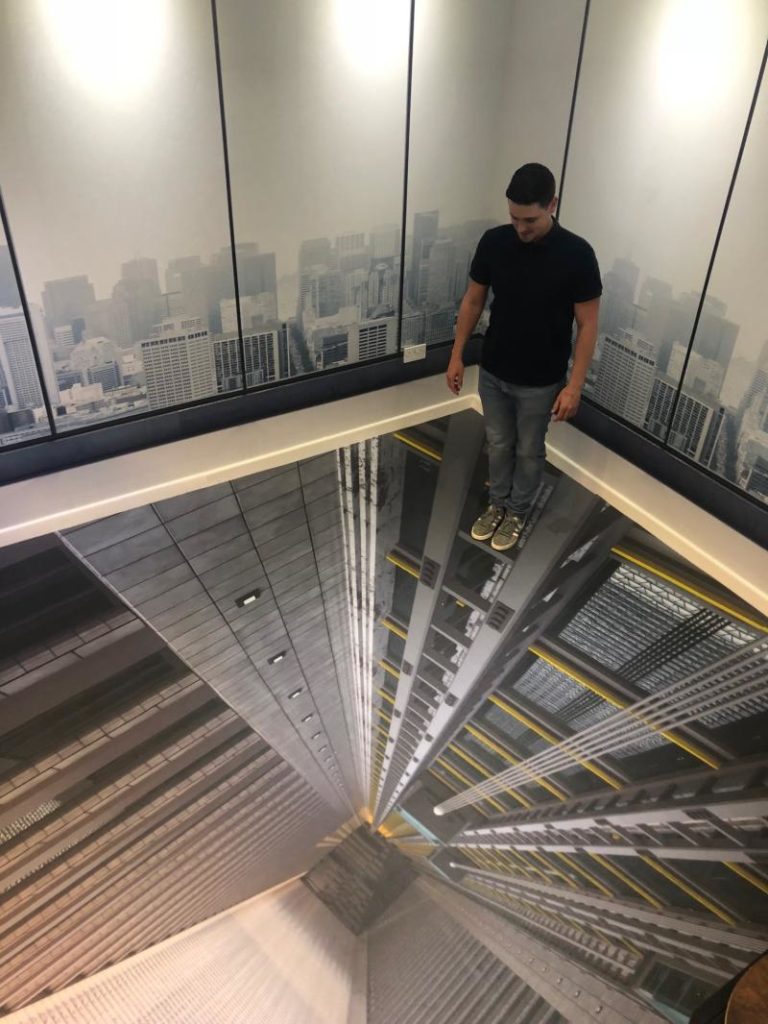
A floor graphic doesn’t always need to sell something. Its role should reflect what the audience needs to do within the space.
Guide: Directional floor graphics can help visitors navigate a store, exhibition or event, highlighting routes, entrances, exits or specific areas without relying solely on wall-mounted signage.
Inform: Floor graphics can communicate instructions, campaign messaging or location-specific information where it is most relevant to the audience.
Promote: For product launches, seasonal campaigns or POS, they can bring messaging into the customer journey and reinforce other branded displays.
Transform: In an experiential environment, the floor can become a part of the creative itself. Imagery, patterns and bespoke shapes can help turn a functional surface into an extension of the wider brand experience.
Getting floor graphics right starts before the artwork. Consider what they need to achieve, where they’ll be installed and what they’ll be exposed to, as these factors will influence the material, finish and overall approach.
The surface is an important starting point. A smooth exhibition floor, textured surface or busy retail environment can each present different requirements. Footfall, cleaning and the length of time the graphic will be in place also need to be considered. A graphic designed for a single exhibition stand may have very different demands from one used for several weeks in a busy retail space.
Even within these practical considerations, there’s room for a little ground-breaking thinking.
The material you choose matters just as much as the design. It needs to suit the surface, level of use and how long the graphic will be in place, while also considering what happens when the campaign comes to an end. For us, sustainability always plays a part, and we have the product range to back it up.
Our event window and floor graphics are produced using a PVC-free material, giving projects another option where material choice and environmental considerations need to work alongside performance. It’s part of our wider ImagECO approach to more sustainable print solutions.
Ultimately, a good floor graphic should feel like it belongs in the space. When the creative, material and practical requirements are considered together, an otherwise overlooked surface can become an integral part of the experience.
Planning a retail, exhibition or brand activation project? Talk to us about creating floor graphics designed around your space.