A retail display might look simple on the shop floor, but turning a flat sheet of cardboard into a freestanding, functional structure takes more than cutting and printing.
At Imageco, cardboard retail displays are engineered from the outset, using CAD and 3D design to work through how each component will connect, assemble, transport and perform in-store. This prototyping stage helps turn a creative concept into a practical, production-ready structure, identifying potential issues before materials are cut.
A successful cardboard retail display needs to work as well as it looks. This means thinking beyond the finished shape. How will the components connect? Can it be assembled quickly or transported efficiently? Its dimensions, weight, structure, materials and method of assembly all need to work together, while the finished display needs to be unmissable on the shop floor.
These decisions can have a knock-on effect across the whole project. The way a display is constructed can influence its stability and assembly time, while how it packs down can affect transport and storage. Its expected lifespan matters too, particularly when a display needs to perform in-store for multiple campaigns.
At Imageco, these practical considerations are built into the design from the start, with our cardboard engineers working alongside our design team to turn the creative concept into a workable structure.
Once the concept is right, it’s time to work out how it will stand up in practice. That’s where Computer Aided Design (CAD) comes in. Imageco’s in-house engineers take the creative direction, dimensions and design requirements and turn them into a detailed 3D model, working out how individual components will interlock and where precise measurements and tolerances are needed. This approach to CAD design for retail displays allows the team to refine the structure before production begins.
For cardboard engineering, Imageco uses KASEMAKE, Rhino 3D and ArtiosCAD, with each tool supporting different aspects of the design process. KASEMAKE can create foldable 3D virtual samples, while ArtiosCAD is specifically used for structural cardboard retail display design. The result is more than a visual mock-up. It’s a digital prototype that helps translate the design into a clear plan for production.
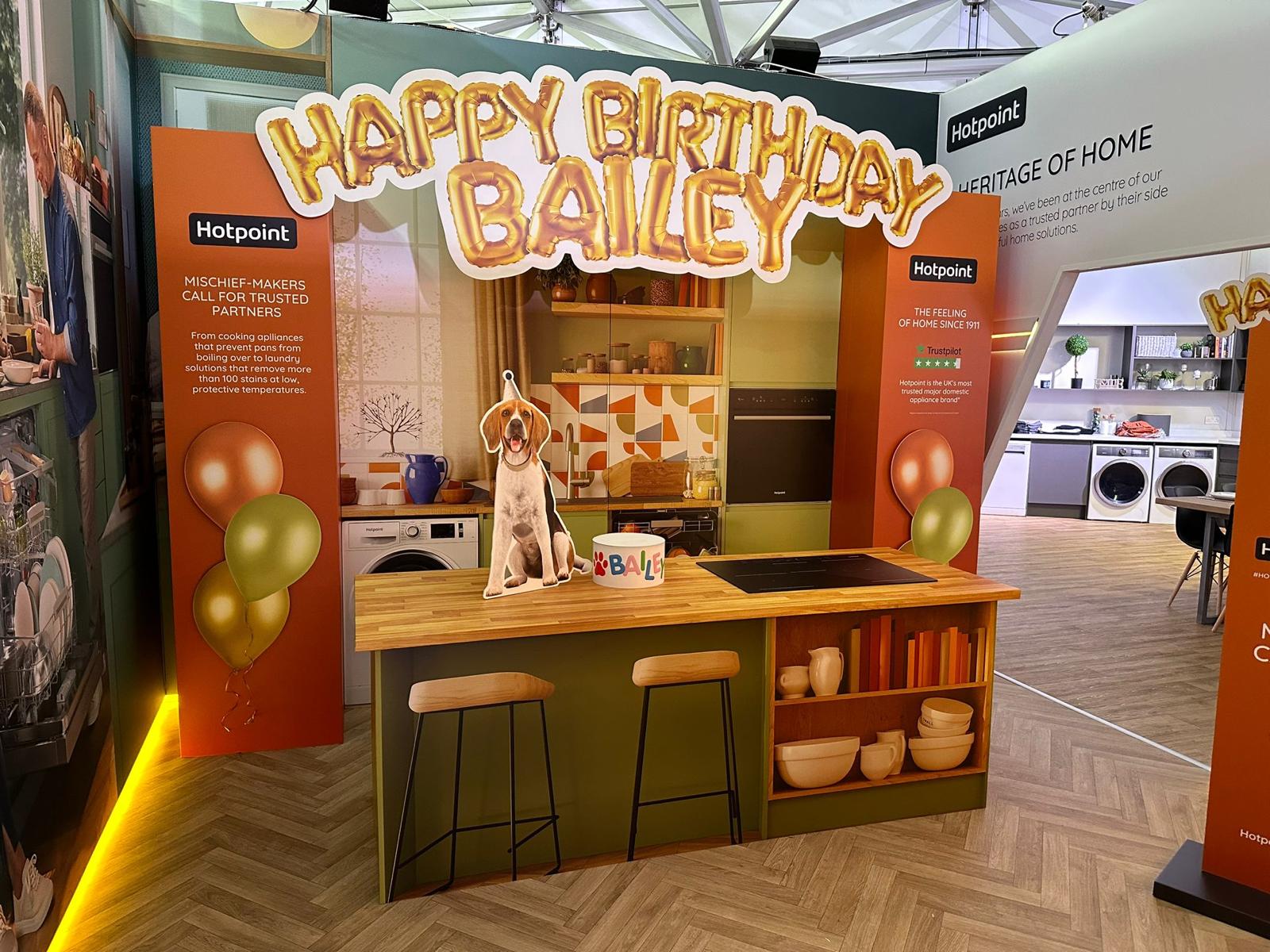
Putting this theory to the test, the Hotpoint and Whirlpool rollout used CAD to develop 32 cardboard kitchen displays, with components designed to interlock and the finished structures engineered to flat-pack for transportation. The displays were then distributed and installed nationwide in just one week.
The same thinking applies to more complex structures. For Antalis, we designed a 3.5-metre cardboard robot using Xanita, with CAD drawings detailing its individual components, from the robotic arms to the mechanical body. These drawings provided a detailed blueprint for the print and production teams.
Cardboard engineering isn’t simply about creating a shape. It’s about bringing a concept to life through practical design and considered engineering.
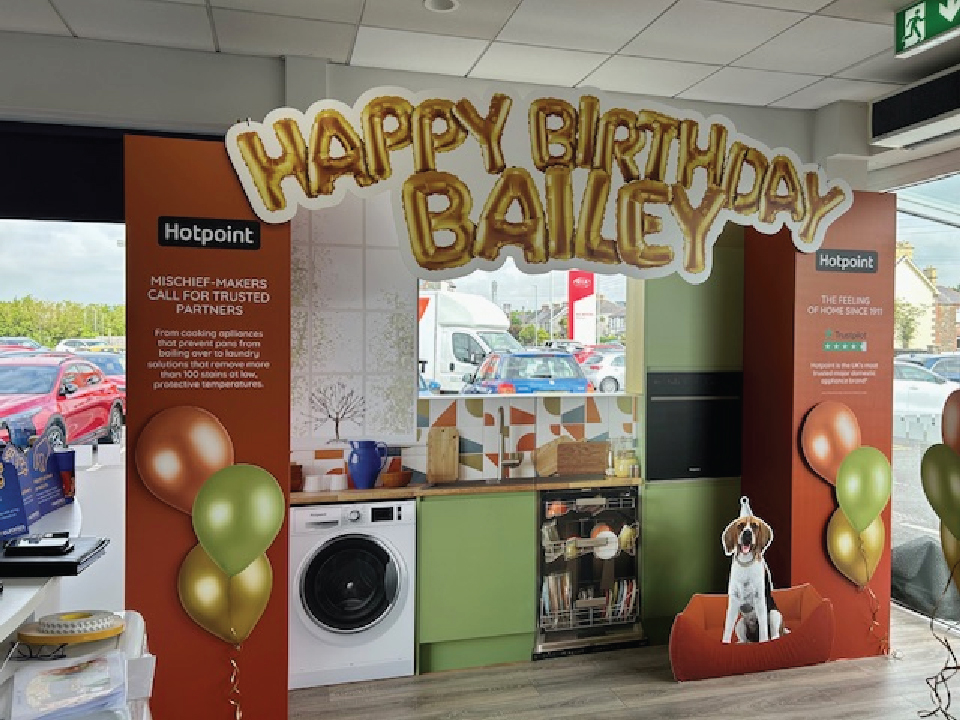
The board itself is part of the engineering equation. At Imageco, we use Xanita, an extremely lightweight fibreboard with a repulpable inner, across our cardboard engineering projects. Its properties make it well suited to creating bespoke 3D structures, while fluted card can be used for POS where additional structural strength is needed. For projects requiring a fire-rated option, Swed FR provides a fire-rated alternative to standard Xanita board.
Fluted board is another important material in our toolkit, particularly for functional retail display components. We use EB and EE flute for applications including plinths, free-standing display units (FSDUs) and smaller elements such as foot risers. These materials offer different properties to suit the requirements of each application.
The right choice depends on what the display needs to do. Material properties can influence the finished structure’s weight and rigidity, how components can be cut and formed, and how easily the display can be transported and assembled. Considering these factors alongside the design helps ensure the material is suited to the structure and its intended use.
Once the design has been refined, the prototype provides the foundation for moving into production. At this stage, the focus shifts from how the display looks and fits together to how it can be manufactured consistently, assembled efficiently, and delivered ready for its intended location.
The journey from initial design through to finished display is where the value of prototyping really comes through. By considering structure, materials, assembly and logistics before production begins, potential issues can be addressed earlier in the process, and the finished display is better prepared for the realities of retail.
If you’re developing a new cardboard retail display, our team can help take it from initial concept through to a production-ready design. Get in touch today to discuss your next retail campaign.