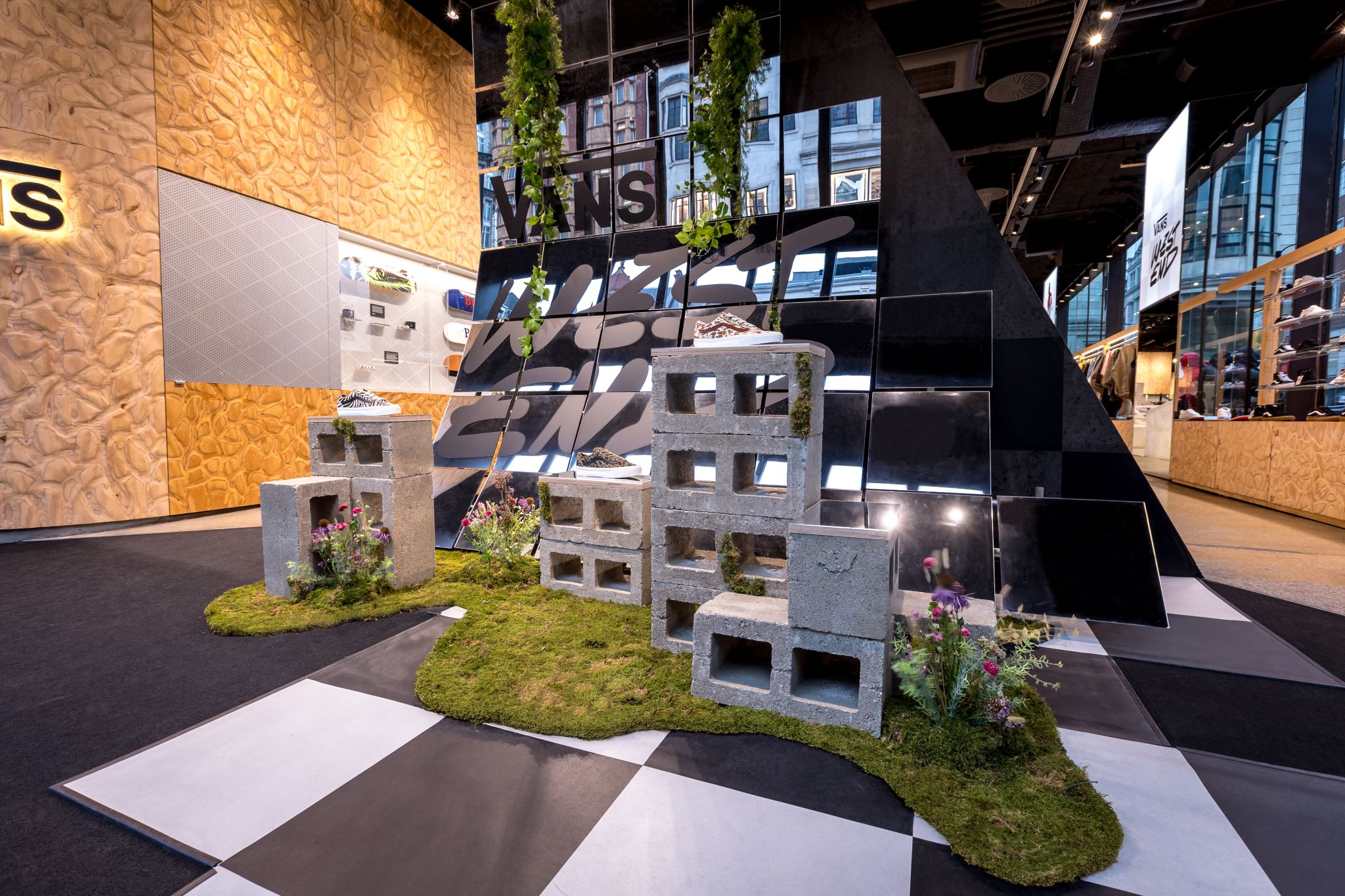
What does effective retail display look like in 2026 — and why does it matter? Today’s shoppers expect more than static visuals or seasonal refreshes. They are looking for experiences that not only capture attention but also tell a story while reflecting the values of the brands they buy from.
From immersive window displays to creative POS designs, retail spaces have the power to engage and connect with shoppers rather than just a place to shop. The effectiveness of a retail display is now largely determined by the quality of its execution, whether its adaptability or sustainability. As a result, retailers that rethink how their displays function are gaining a clear competitive edge.

From sustainability to interactivity, these trends reflect how retailers are adapting their physical spaces to drive engagement and performance while meeting shopper expectations in 2026.
With around 70% of shoppers more likely to find digital displays engaging than traditional static signage, brands are increasingly turning to digital touchpoints and sensory-led design to capture attention and encourage participation.
Interactive signage, responsive screens, and motion-led elements such as QR codes, motion-triggered graphics, and augmented reality are playing a growing role in how shoppers interact with retail environments. This is because technologies such as these invite customers to explore further, whether it’s uncovering a digital layer of storytelling or engaging with content beyond the shop floor.
Sustainability remains a key driver of retail display design in 2026, with recycled, reusable, and responsibly sourced materials now expected rather than optional.
Research shows that around 7 in 10 consumers (70%) prefer to buy from environmentally responsible brands, while 84% say sustainability is at least moderately important — reinforcing the role sustainable displays play in building brand trust and perception.
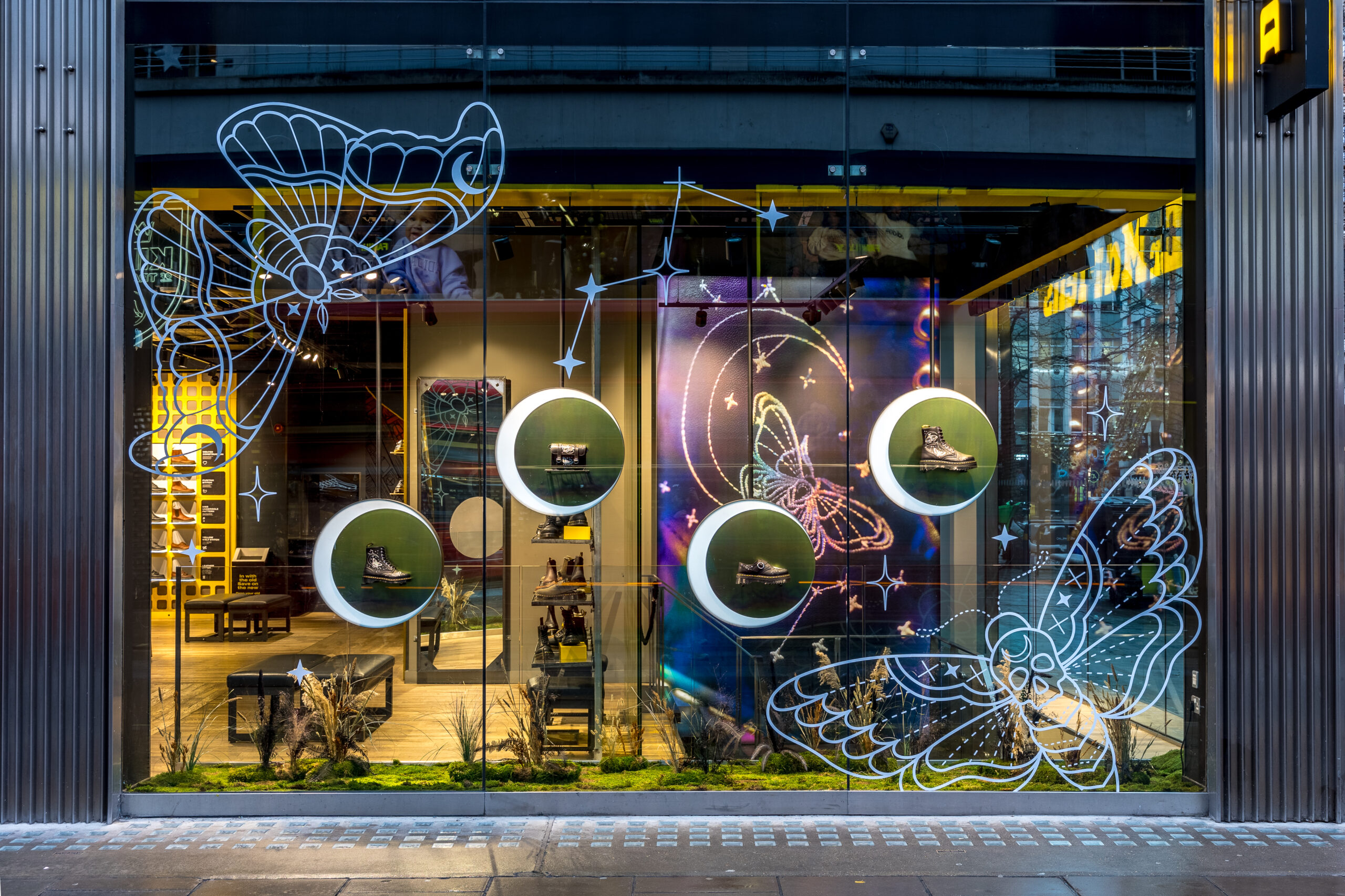
Beyond materials, retailers are increasingly adopting modular display systems, recognising that reuse and reconfiguration reduce waste while extending display lifespan. Imageco supports this shift through projects such as our Dr.Martens’ sustainable POS rollout, which replaced traditional PVC with recyclable board materials.
Options such as Xanita and Impact Board, a fully paper-based alternative to 3mm FMX, enable displays to be repurposed across multiple campaigns and easily recycled at the end of their lifecycle.

In contrast to busy, over-saturated retail environments, 2026 is seeing a move towards warm minimalism, where layers, textures, fabrics, colour, and lighting are used to create calmer spaces.
Having cleaner layouts allows shoppers to navigate retail spaces with ease due to more refined colour palettes and graphics, allowing displayed products to take centre stage. Our Dr.Martens x Wednesday window and in-store installations show how multi-layered visuals and CAD-led execution can create immersive retail experiences where the entire vibe of the store gave a gothic feel.
Rather than overwhelming shoppers, retailers are focusing more on “hero moments,” curating fewer but better-executed displays that create a stronger impact. For the Dr. Martens Wednesday campaign, this was clearly the show-stopping rainbow spiderweb replicated from the Tim Burton set. Premium, story-led approaches can be delivered through high-quality print finishes, window graphics, and branded POS units.
Lighting remains one of the most effective tools in retail display design. Well‑designed, strategic lighting helps products appear more attractive, fresher, and of higher quality, which influences consumer perception and engagement.
When subtle illumination is paired with printed displays, installations, and POS stands, it can transform displays from functional to premium, creating a visual hierarchy and enhancing the overall in-store experience.
The retail environment moves quickly, so do its display designs. The introduction of modular plinths, stackable units, and adaptable layouts now enables retailers to refresh their shop floors more frequently without the need for a full redesign.
This level of flexibility is being increasingly adopted, as agile retail environments are better able to respond to short-term trends and seasonal changes.
Our work using 3D-printed components in retail display systems shows how in-store environments can be both sustainable and flexible. Designed for reconfiguration and reuse, these systems adapt easily to changing product ranges, store layouts, or seasonal campaigns without the need for a full rebuild, reducing waste and cost while remaining visually impactful and future-ready.
Retail display design in 2026 is increasingly shaped by accessibility and inclusivity. With more focus on reaching broader audiences, brands are making their displays easy to engage with, regardless of age, ability, or shopping style.
Imageco supports inclusive retail displays that are easy to navigate through high-resolution POS graphics, carefully considered print finishes, and display layouts designed with clarity and usability in mind.
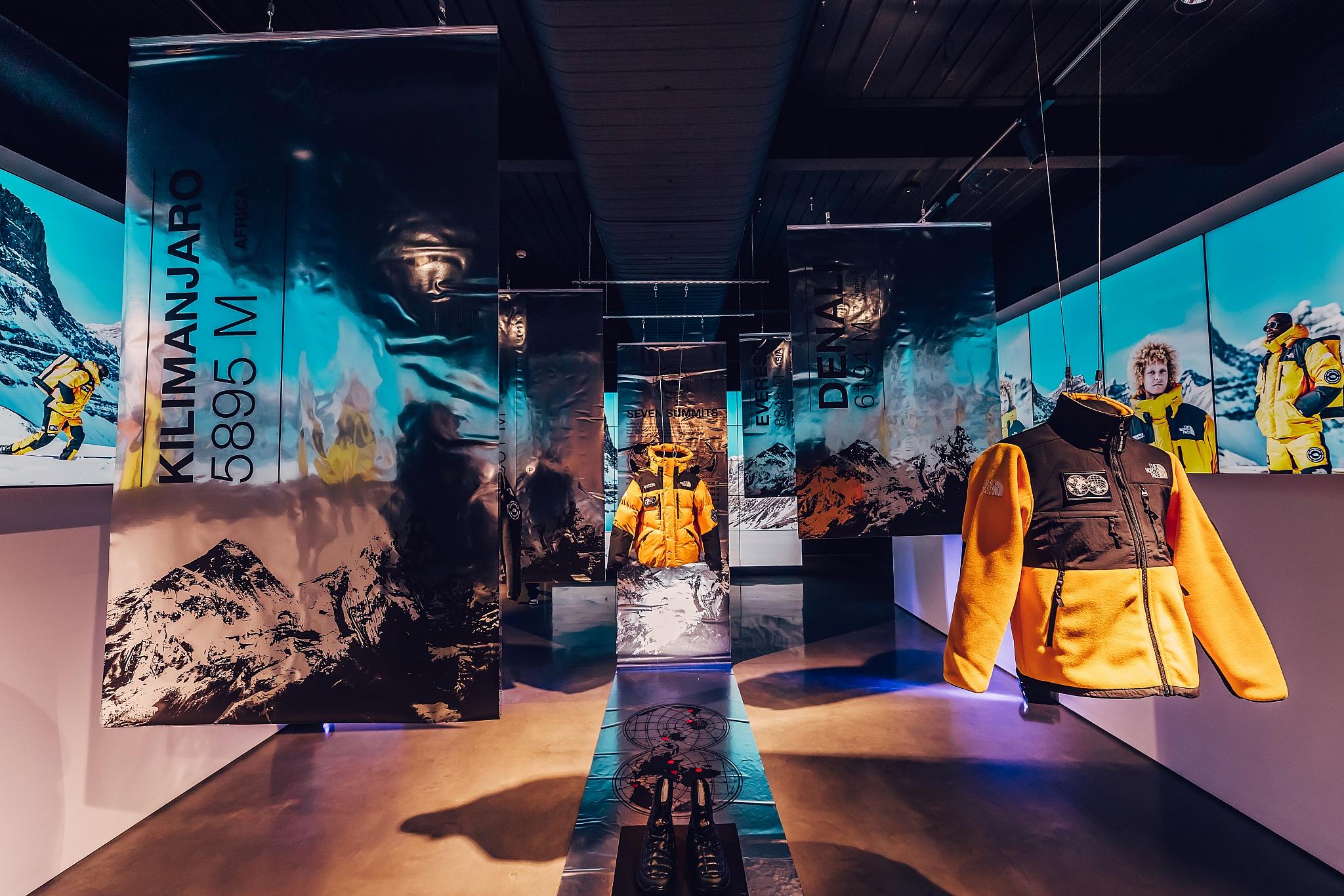
Retail displays are becoming more than just aesthetics. From immersive 3D installations to modular, eco-friendly displays, the most successful retailers are those who rethink how their physical spaces effectively communicate brand values and encourage shopper interaction.
Imageco helps brands bring these trends to life, offering bespoke designs, high-quality sustainable print, modular display solutions, and nationwide/international installation services. Whether you’re looking to create interactive experiences or reusable display systems, now is the time to transform your retail space. Ready to make your store a 2026 showcase? Contact us today.